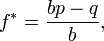
Even though "Modern" Portfolio Theory is pretty old, and holds a lot of false assumptions around market completeness and diversification, it could be applied practically for a portfolio of positively expected strategies instead of simple assets vulnerable to systemic risk.
Original thoughts
So the original assumption around increasing the number of asset holdings is to lower the standard deviation of return, i.e. "unsystemic risk" (see below). This is pretty easy to do by simply taking positions in index ETFs.
So what's the deal with the "Undiversifiable or Market Risk"? That includes things like credit risk, counter-party risk, basically everything that shows why buy & hold does not turn out well.
Actual application
Replacing asset holdings with trading strategies that exploit fundamental inefficiencies where systemic risks become opportunities for profit, and all of sudden portfolio theory becomes practical for the real world. It's like running a casino, to minimize swings in revenue, hosting a whole bunch of games helps the Law of Large Numbers kick in just a bit sooner; and everybody's happy.
4 months ago